
Primetime (2026) Review
Entertaining, funny, and slightly unhinged
— jeff, published Sep 26, 2026
So, Primetime.
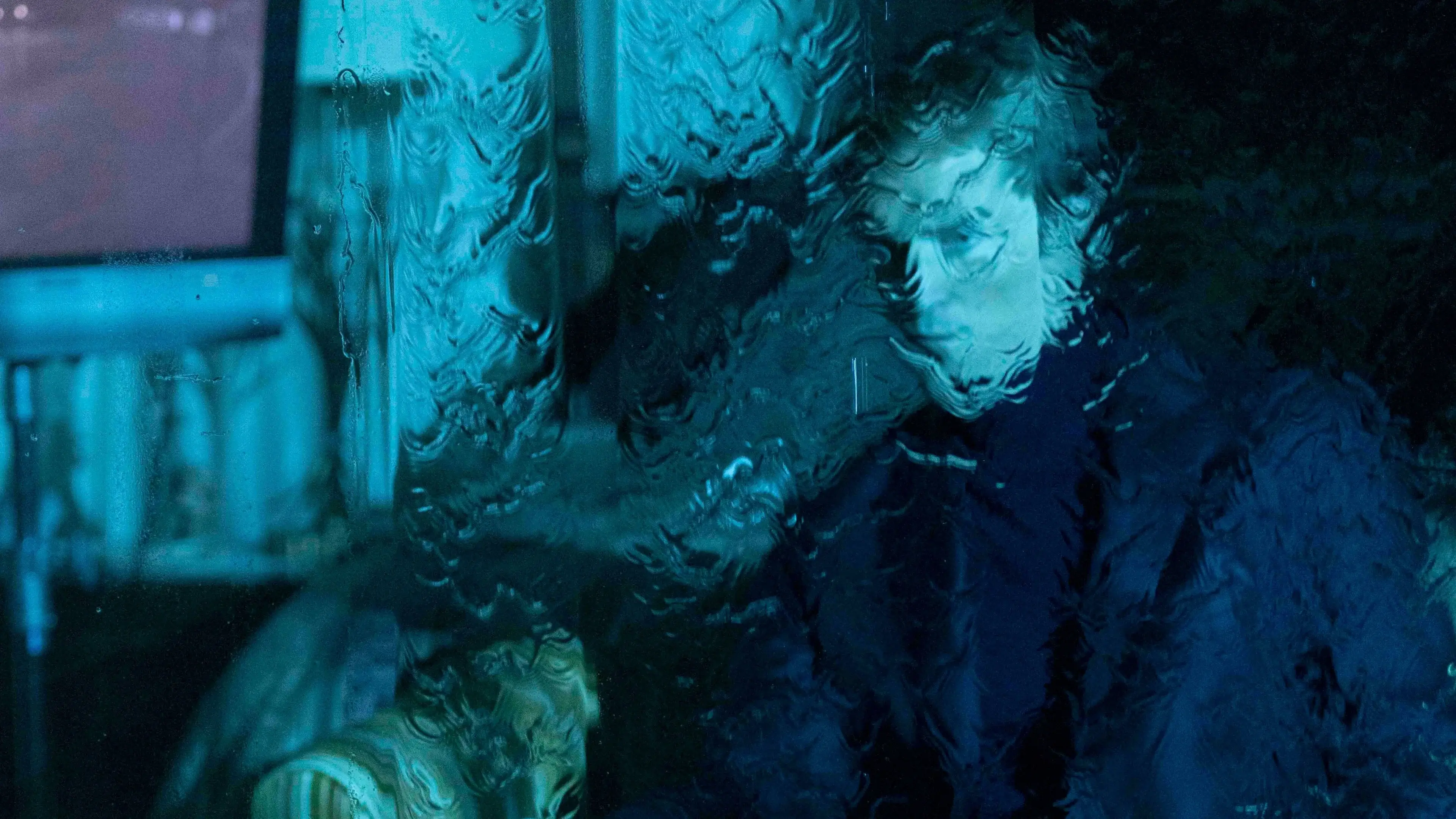
Oddly, it’s probably one of the more experimental films released by A24 this year, reveling in artsy editing, intimate and unnerving close up shots, and a moody but darkly comedic tone that you wouldn’t expect given the serious nature of the film’s story. Even more surprisingly, there were more moments of full-theater laughter in this film than I’ve seen in the last few comedy films combined.
For those expecting a more straightforward, in-depth psychological character study of Chris Hansen, you may be disappointed that the film is much more centered around mood, tone and aesthetics. I personally like more ephemeral, artistically challenging films that rely more on subtlety, imagery and editing to tell their story, but that style is certainly not for everyone, particularly with true stories. Regardless, there are some truly bold choices, fantastic looking sequences and unique editing here, and the film maintains a uniquely singular aesthetic vision that makes it a very smooth and enthralling watch. It’s easy to get absorbed by the film from start to finish, but I still couldn’t help wanting just a little bit more depth to the characters, rather than the more artsy, metaphoric deconstruction we get here.
In totality, Primetime is really a basic story about a flawed man doing whatever he can to be perceived by the public as a hero, no matter who he hurts in the process. Because Robert Pattinson is such a fantastic actor, he carries a lot of the emotional weight and humor of the film on his back, and you can feel how much effort he put into becoming this flawed man, as he truly becomes this outwardly put-together Hansen who is actually quite damaged beneath the surface. The film also features a fantastic supporting cast, consisting of To Catch a Predator’s producers, crew, and decoys, and they all play off of Pattinson’s quiet, manic energy very well.
There’s a manic energy to the film that very brilliantly juxtaposes the dark nature of actually filming To Catch a Predator against its nature as a tasteless primetime reality TV show, and the editing masterfully captures the darkness and absurdity of consuming such despair as mindless entertainment while others profit from it while pretending to be righteous. Much of the humor comes from this dark juxtaposition, and the flawed nature of everyone involved.
The film largely trusts its audience to make their own ethical judgements of its characters, and only rarely veers into direct judgements of Hansen’s operation. Still, there is clearly a bent toward Hansen being more of an anti-hero in his own story, and at the very least, the film portrays Hansen as a highly complex figure that had long been perceived as being more noble than he actually was. The crux is essentially so: Was Hansen a hero, or was he just a guy with a show that wanted to be beloved, famous and wealthy?
This framing has been a point of controversy on some parts of the internet, where people have taken Primetime’s rather light criticisms of Hansen as somehow being evidence of Oppenheim supporting abuse, which is just patently absurd. Oppenheim’s script practically predicted this controversy when Pattinson’s character says, “you are either with me or with them”, as if criticizing Hansen was somehow a pro-pedo stance on its own.
Controversy aside, I think that most film-goers will take more umbrage with the fact that Primetime only really scratches the surface of any of its characters, and doesn’t really have that much to say about the ethics of predator hunting, or the legacy of To Catch a Predator itself. The film essentially just lightly prods the ethics of capitalizing on the issue for television, and makes note of the similarity between the old and new ways in which we engage in public shaming and non-judicial punishment. This minimalist direction was certainly intentional, and when the film does strike on these issues, or deconstructs Hansen, it does so in surprisingly artful ways, but I think it would have been much more satisfying to get a more intimate or direct portrayal of Hansen’s thought process in many instances.
Seeing Ari Aster featured as a producer in the end credits certainly made the darkly comedic tone and experimental nature make a lot of sense— particularly after his latest run of satirical black comedy films. Plus, knowing that Primetime’s creator also worked with Nathan Fielder on the coming Elizabeth Holmes film also adds to the context of what kind of filmmaker Oppenheim is— he enjoys the darkly comedic, satirizing the media landscape, and doesn’t worry about venturing into controversial subject matter, just like Aster and Fielder before him.
Flaws aside, I’m excited for Oppenheim’s future films, as this was a fantastic introduction into his vision as a filmmaker. The aesthetics, tone and experimentation present here all resulted in a very tight, enjoyable film. A lot was conveyed through imagery and subtle framing alone, but I think Oppenheim can make a truly great film in the future if he can utilize more narrative depth and character development.
Overall, given that this film was based largely on an infamous essay about Hansen’s darkest moment, I still think Primetime does a fantastic job of being an entertaining, funny, and slightly unhinged film, and it was a joy to see Pattinson transform, as usual. Pattinson remains one of the few actors currently acting, and Primetime is yet another recent highpoint in a relatively long career— let’s just hope he keeps choosing weird roles.
Leave a comment on Instagram or Letterboxd