
How to Make a Killing (2026) Review
Fantastically paced and surprisingly witty comedic drama
— jeff, published Feb 22, 2026
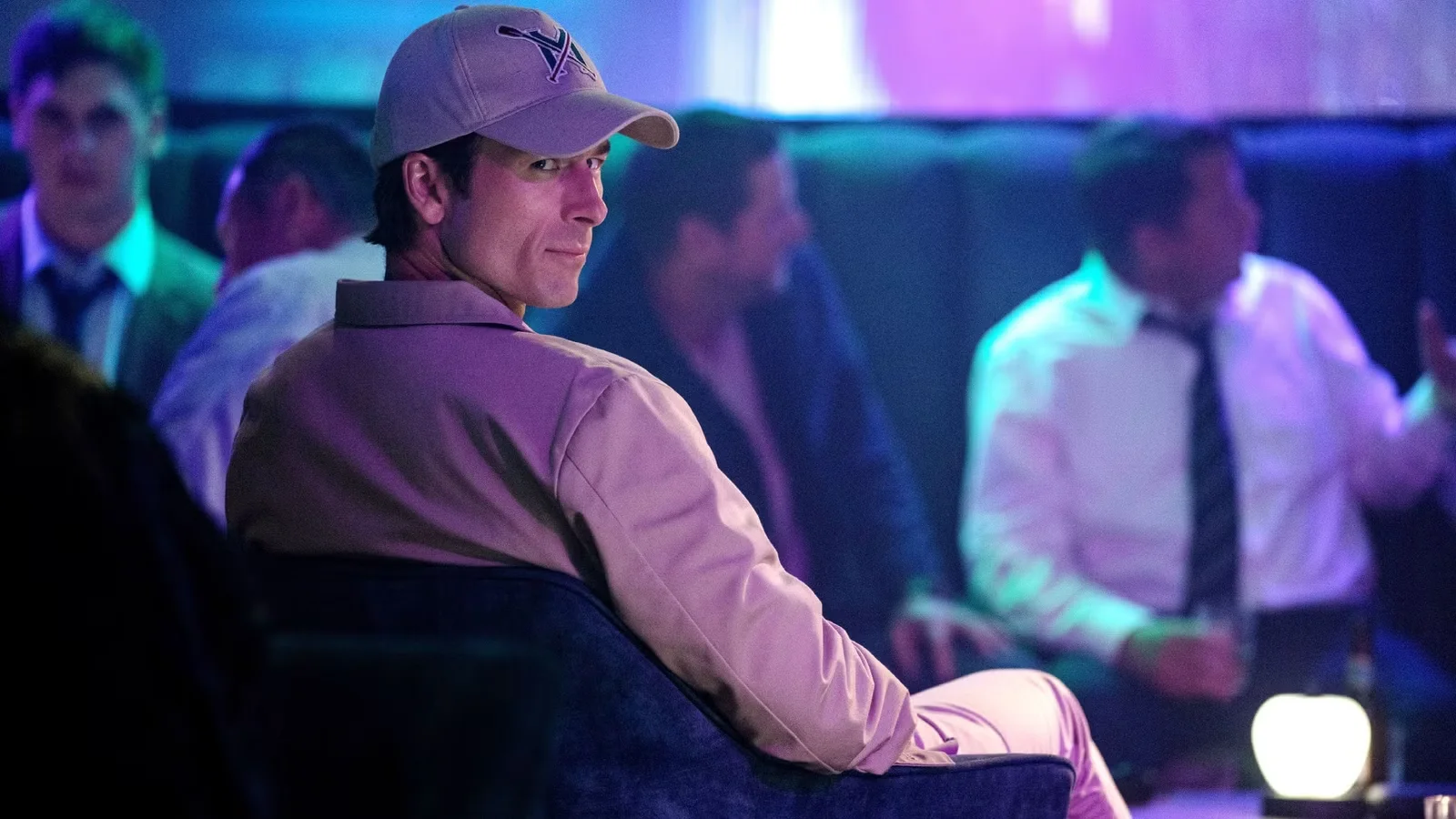
How to Make a Killing is a fantastically paced and surprisingly witty comedic drama, featuring a standout performance by Glen Powell as a complicated yet deeply likable leading man.
The plot is relatively simple, but made compelling with clever dialogue and a fantastic cast of characters. Powell’s character (Becket Redfellow) is born out of wedlock, a decision that enrages his controlling and filthy rich grandfather, the patriarch of the Redfellow family. As punishment, Becket’s pregnant mother is cast out of the family and forced into a life of working-class struggle. After losing both of his parents early in life, Becket falls even deeper into poverty, bouncing through the New Jersey foster system, all-the-while knowing what kind of life he was supposed to have.
Despite being disowned, he technically remains at the very bottom of the Redfellow family trust, so the only thing standing between him and the multibillion-dollar Redstone fortune is, quite literally, the rest of his estranged family. As he grows older, he begins to formulate a plan: to slowly and methodically eliminate each family member, inching closer to the pot of gold at the end of the Redfellow family rainbow.
The entire film is driven by a sharp, witty voiceover from Powell, and it is nostalgically reminiscent of films like Goodfellas and The Wolf of Wall Street. This narration opens up with Becket’s tragic origin story, setting the emotional tone and clearly establishing his motivations for the revenge-fueled present-day narrative. Interestingly, despite ostensibly acting as a revenge film, Becket’s character, both in his actions and in his voiceover narration, has a cool calm about him, never veering into anger or vengeful spite, but remaining singularly obsessed with regaining the wealth (and life) that was so callously ripped from his mother before she died. This singular choice colors the entire film, and makes the entire narrative journey much more unique than a simple revenge story.
Becket’s voiceover is seamlessly woven throughout the film, and it propels the faster-paced sequences within the script, allowing the story to slow down naturally during moments of dialogue and character development, and then accelerate again during action-driven montages. This careful script structuring creates a rhythm that feels deliberate and controlled, oscillating effortlessly between introspection and momentum, packing in substantial context, characterization, and action without ever feeling bloated. It’s a supremely entertaining ride, and it deserves much credit for being able to maintain its pacing and wit for its entirety, while also managing to have some interesting twists, surprises, and an ironic, but suiting, ending.
Glen Powell absolutely carries the film as the charismatic underdog of the story. The script does a fantastic job of getting the audience to root for him, even as he commits undeniably callous acts of murder. Through careful contextualization of his traumatic upbringing, the film subtly justifies his actions just enough to maintain viewer sympathy without fully absolving him. The film plays on issues of class dynamics, and has some aspects of a moral tale, but it is mostly a dark comedy that is content in its irony and cleverness.
Another stand out of the film is Margaret Qualley as Julia Steinway, who plays a childhood friend of Becket’s, but mostly acts as a surprisingly chaotic foil to Becket’s plans. She is essentially the moral counterweight, a person so devoid of ethics and so accustomed to the viciousness of wealth that she essentially acts as a constant reminder to Becket that what he is doing throughout the film is obviously immoral- whether he wants to admit that to himself or not.
Structurally, the story functions almost like a whodunit told in reverse: the audience knows exactly who the killer is. In many ways, it feels like a clever inversion of the traditional murder mystery, where instead of solving the crime, we are invited to understand—and even morally rationalize—the perpetrator’s perspective. The screenplay excels at humanizing Powell’s character, crafting empathy in a way that feels breezy, effortless, and refreshingly unique.
The cinematography isn’t anything too artsy or experimental, but it maintains a very consistent and enjoyable color grading that nearly mimics film, featuring warmth and natural lighting that feels organic and likely more expensive than it was. In an age of Netflix lighting and terrible cinematography basically everywhere you look, it’s refreshing to get a film that knows what it wants to be cinematographically, and does so consistently well. There are also some interesting shot compositions and choices during the montages that occur around the scenes which introduce each of Becket’s family members and their subsequent murders. These scenes are typically the funniest and most darkly comedic, as well as having the most fun with the films’ direction and cinematographic choices.
How to Make a Killing is certainly the best crowd-pleaser I’ve seen this year, occupying the space between mainstream and indie as another in A24’s growing catalogue of mid-budget films. However, unlike some of A24’s mid-budget missteps (Opus, Death of a Unicorn), How to Make a Killing is a fantastically enjoyable, wild ride of a film, and I think most audiences will find it very enjoyable. Depending on ticket sales, this could either become one of the most beloved films of the year, similar to something like Knives Out, or it could severely undersell and become another cult classic in the years that follow its release. For that, however, we will have to wait and see.
Leave a comment on Instagram or Letterboxd