
Erupcja (2026) Review
Life-affirming blend of lo-fi mumblecore and new-wave cinema
— jeff, published May 10, 2026
Erupcja is a refreshingly sincere indie film that blends mumblecore’s lo-fi slacker sensibilities with the stylized editing and romantic melancholy of new-wave cinema. It masterfully balances intimate relationship drama and genuinely funny moments with beautiful, lively shots of Warsaw, all accompanied by a breezy, storybook-style narration stitched together by a bubbling techno and electronic soundtrack.
Director Pete Ohs (Jethica, Love and Work, Youngstown) leans into an artsier variation of mumblecore, utilizing loose, naturalistic dialogue, intimate single-camera shots, and a poetic, almost storybook-style narration. Ohs’ style feels refreshingly sincere and creative, being optimistic and life-affirming in a way that directly counters the self-aware cynicism and nihilism found in much of contemporary indie cinema.
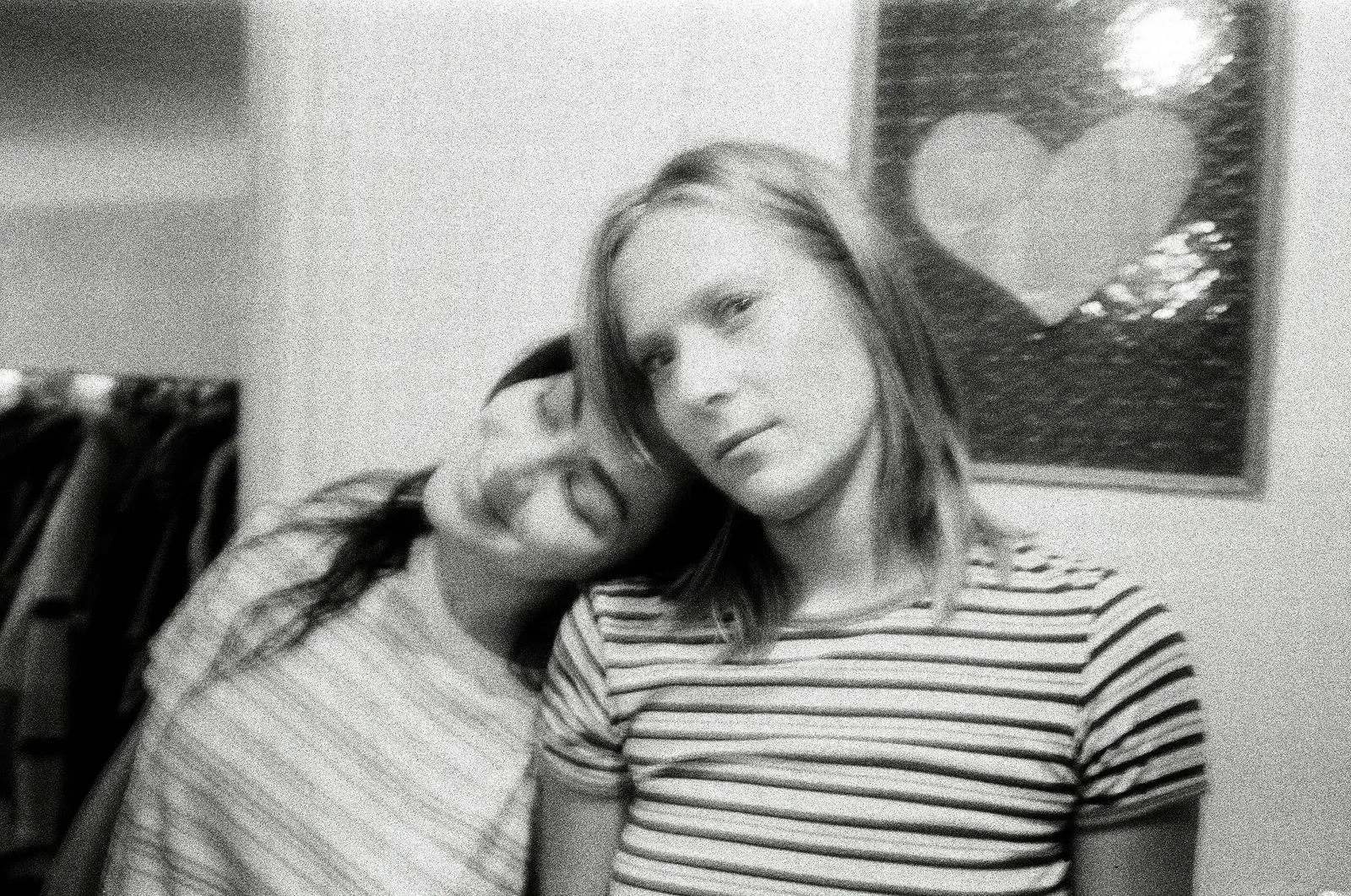
The casting is also fantastic across the board. Charli XCX (The Moment, Faces of Death), stars in a surprisingly understated but powerful acting turn as Beth, and shares strong chemistry with Lena Góra (Imago, Roving Woman), who plays Mila with striking naturalism and sincerity. These two form the emotional core of the film, portraying longtime friends locked in a fiery, loving-but-toxic dynamic. By coincidence, fate, or something stranger, every time Beth and Mila reunite, a volcano erupts somewhere in the world.
Will Madden (Thelma, Oppenheimer) delivers a quietly heartbreaking performance as Tim, Beth’s sincere but naïve boyfriend, who remains largely in the dark about her strange, mystical connection to Mila. Finally, Jeremy O. Harris (Zola, Emily in Paris) adds eccentric comedic charm as Theo, an American artist living in Warsaw. He became one of my favorite characters, acting as a neutral intermediary amid the emotional chaos of the central trio and, eventually, an unintentional spiritual guide through the film’s relationship drama.
At first, the film seems content to wander through Warsaw in a loose, voyeristic style, but very quickly the film reveals itself to be a beautifully crafted story in which every element and moment gradually connects through its wider themes and sincere emotionality. The script is tightly connected through recurring themes of coincidence, fate, love, and eruptions—both volcanic and romantic.
Erupcja’s use of single-camera filmmaking, paired with an intimate, tight aspect ratio, gives the film a nostalgic quality, reminiscent of revisiting an old handheld travel video from a past trip to Europe. So many scenes feel alive with movement, scenery, and ambient sound, all of which come together to paint an intimate and familiar portrait of modern Warsaw.
The sound design also fits perfectly into the film’s motif of volcanic eruptions—even the clacking wheels of a suitcase against cobblestone streets become a crescendoing premonition of something about to explode. In fact, this may be one of the tightest and most inventive uses of a film-wide motif I’ve seen in years.
If you long for the days of nostalgic romantic indies, low-budget mumblecore films, or simply want to see something refreshing and distinct, Erupcja is a strong contender for my favorite film of the year. Despite its relatively short runtime, it feels more fully formed and thematically complete than many films twice its length. I’m already looking forward to whatever Pete Ohs makes next.
Second opinions:
Leave a comment on Instagram or Letterboxd