
Crime 101 (2026) Review
An homage and elevation of the crime thriller genre
— jeff, published Mar 04, 2026
Directed by Bart Layton (known for his gritty breakout crime drama American Animals), Crime 101 is built around a surprisingly compelling script that pays homage to the genre’s past without feeling like another crime-film rehash. It’s a smooth, thrilling crime drama featuring strong performances across a uniquely composed ensemble cast.
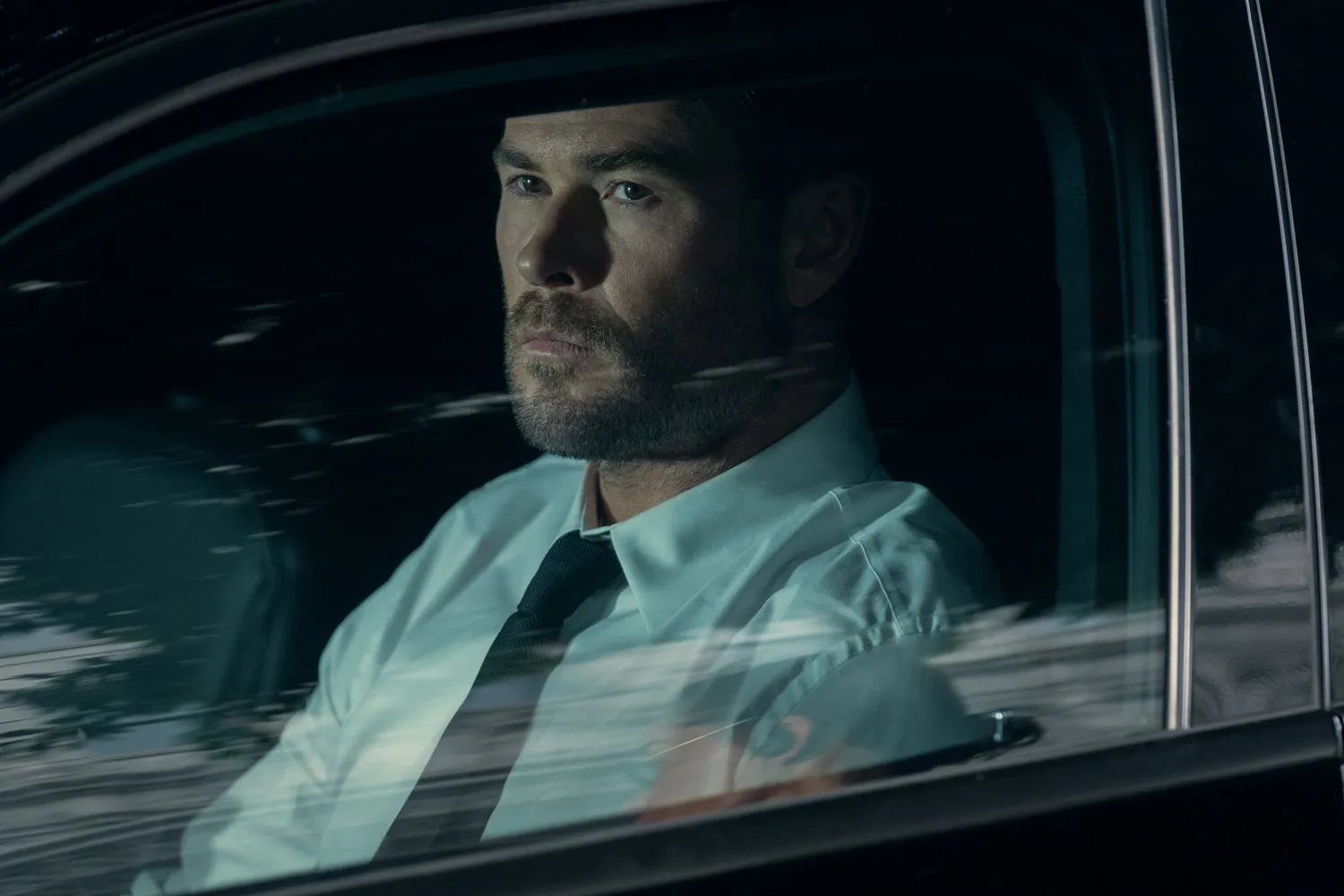
Crime 101 stands out in an oversaturated genre by weaving together a portrait of three wildly different characters: Davis (Chris Hemsworth), a high-end stick-up artist who targets goods and currency couriers for the ultra-rich; Detective Lou (Mark Ruffalo), whose rigid moral code prevents him from rising through the ranks of the LAPD; and Sharon (Halle Berry), an insurance agent serving Los Angeles’ wealthiest homeowners. Their separate stories begin to converge after a botched robbery, eventually entangling them in a tense, high-stakes cat-and-mouse game.
At first glance, Crime 101 doesn’t seem eager to stray far from the traditions of its genre. Its main character, Davis, fits the mold perfectly: the prototypical mysterious, strong-and-silent antihero, played by the equally stoic Chris Hemsworth. Yet, much like Drive, the film adds texture to the cliché by making Davis shockingly socially inept- he’s a man struggling to connect with the world around him while chasing a sense of normalcy that has eluded him his entire life.
Each character in the film is guided by a personal philosophy shaped by the fears and desires of their youth, and it’s this subtle touch in the writing that elevates the story beyond a standard crime thriller. Detective Lou carries a simmering bitterness toward capitalism and greed that eventually reveals itself as rooted in an unhealthy denial of the self- and perhaps even a lingering jealousy of those who can find happiness in consumerism. For Davis, a wretched childhood has driven him to seek security in stockpiling enough money to finally feel safe in the world. Sharon, meanwhile, has spent her life striving to be seen as worthy by men, measuring that worth largely through her financial success. Yet that sense of self is gradually eroded by the same men who once validated it, as the film confronts the uncomfortable reality of how aging reshapes the value placed on beauty.
The film also subverts expectations by introducing a wild card who serves as a perfect foil to the more philosophically grounded trio. Played by a fantastically unhinged Barry Keoghan, Ormon is a dirt bike–riding degenerate with seemingly nothing to lose and everything to prove. He stands in direct moral contrast to Davis, whose personal code forbids him from physically harming anyone during his carefully planned heists. Ormon, by comparison, is not only ready to kill, but seems to be simmering with a quiet, almost disconcerting rage that even he doesn’t fully understand. It’s one of Keoghan’s most memorable performances since Bird, capturing a volatile mix of menace and insecurity that amplifies the film’s tension in moments that might otherwise feel familiar.
Every actor delivers here, and once the characters’ stories finally collide, there’s a palpable chemistry between these characters that carries the film through to its conclusion.
Visually, the film isn’t afraid to experiment. It opens with an inverted view of the Los Angeles skyline, slowly rotating into place as the calm voice of a yoga instructor guides the audience through a mantra for serenity. That quiet moment quickly gives way to brisk montages introducing the intersecting lives of the main characters, before plunging into a series of expertly shot chase sequences that make clever use of dynamic camera angles. Some of the most striking moments follow Keoghan’s character weaving chaotically through L.A. traffic on a dirt bike, darting between glowing traffic lights and dense nighttime streets.
The film’s love for cars is also impossible to miss. It features no shortage of exhilarating chases involving everything from modern supercars to vintage sports cars. At one point, the film even tips its hat to Steve McQueen in one of its most memorable sequences, proudly wearing its influences on its sleeve.
Fans of Drive, Heat, and Collateral will likely find plenty to love here, as Crime 101 is in the category of crime thrillers that admire the genre enough to function as both homage and an elevation of the genre. While Crime 101 may not be bold or totally unique enough to dominate awards season, it remains a stylish, entertaining, and memorable entry in the genre, and it is absolutely worth catching in theaters if you get the chance.
Leave a comment on Instagram or Letterboxd